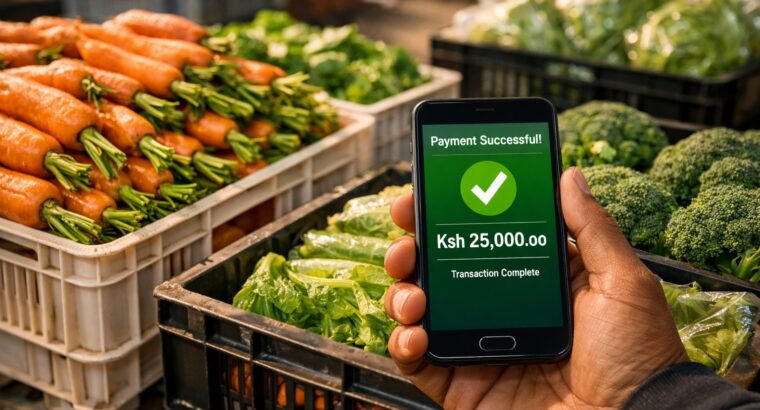
Discover how to leverage digital platforms like Hapa.ke to directly reach buyers in Nairobi and beyond, bypassing traditional middlemen. This guide explains how farmers across regions like Nakuru, Uasin Gishu, and Embu can take control of their pricing and maximize profits in Kenya's rapidly growing agricultural e-commerce sector.1. The Agricultural Revolution: Bypassing Middlemen via Digital Classifieds
Digital, direct-to-consumer sales allow smallholders to avoid exploitative brokers, retaining higher margins by connecting directly with restaurants and wholesalers. By creating digital, 24/7 visibility for their harvests, farmers can access a massive audience of over 66 million mobile connections, turning local produce into nationwide business opportunities.
2. Crafting a High-Converting Farm Listing on Hapa.ke
To succeed online, farmers must create detailed, trustworthy listings that stand out in competitive digital marketplaces.
Key Strategies for Listing Success:
- Geo-Targeted Titles: Use specific product names and locations (e.g., "Fresh Carrots in Nakuru") to enhance local SEO and attract relevant buyers.
- Visual Proof: High-quality, original photos of crops build crucial trust with commercial procurers.
- Detailed Specs: Clearly define minimum order quantities (MOQ), packaging, and delivery options to facilitate quick negotiations.
| Produce Type | Key Production Hubs (Kenya) | Target Online Buyer Persona |
|---|
| Aromatic Rice | Mwea, Kirinyaga/Embu | Supermarkets, Distributors |
| Fresh Vegetables | Nakuru/Nyandarua | Restaurants, Hotels |
| Grains & Maize | Eldoret | Millers, Feed Manufacturers |
3. Regional Scaling: Tapping into the East African Food Trade Ecosystem
Modern agricultural commercialization is no longer confined to local village markets. For agribusiness owners utilizing digital platforms to master how to sell farm produce online Kenya acts as a central logistical corridor for a highly lucrative, cross-border trading network. Our integrated classifieds infrastructure spans the entire East African region, opening up direct procurement channels in Tanzania, Uganda, Ethiopia, Somalia, and South Sudan.
This cross-border digital visibility means that an aromatic rice distributor in Mwea or a large-scale potato farmer in Nakuru West can effortlessly connect with commercial food processors in Kampala or hotel chain supply managers in Dar es Salaam. By implementing accurate geographical tags and selecting precise country categories, your agricultural storefront naturally bypasses domestic market saturation, establishing your farm as a trusted regional supplier in East Africa's connected food economy.
4. Step-by-Step Guide to Pricing and Promoting Your Harvests Legally
To successfully capture high-value commercial orders and protect your agricultural transactions, follow this systematic deployment plan when listing your crops on our platform:
Step 1: Define Competitive, Volume-Based Market Pricing
Research the current wholesale price trends in major hubs like the Wakulima Market in Nairobi or the Mombasa wholesale depots. Clearly state your baseline price per kilogram (e.g., Ksh 70/kg for fresh carrots) and outline flexible discount structures for bulk logistics companies or school feeding programs to accelerate wholesale agreements.
Step 2: Authenticate Compliance and Quality Standards
Whether you are distributing certified Bamburi Cement, organic fertilizers, or fresh horticultural produce, commercial buyers look for quality assurance. Explicitly state in your description if your products comply with the Kenya Bureau of Standards (KEBS) or local county health regulations, immediately building unmatched credibility in the B2B classifieds feed.
Step 3: Secure Your Transaction Channels Safely
When closing agricultural deals online, never send produce on credit or pay for transport before a binding contract is signed. Utilize safe public meeting spots or verified agricultural collection centers for physical inspections. Leverage secure mobile wallets like Lipa na M-Pesa to receive instant, traceable payments upon successful delivery confirmation.

5. Accelerating Commercial Leads via Premium Bumping and Featured Ads
While posting basic organic agricultural listings is always free on our platform, competitive agri-entrepreneurs looking to liquidate perishable harvests quickly can leverage our premium visibility enhancements to outpace the market:
- Featured Ad Upgrades: Places your crop listings on high-traffic homepage banners and the absolute top of the Farms category, expanding your reach by up to 70% more buyers.
- Strategic Ad Bumping: Instantly refreshes your post, pushing it back to the very top of daily search results, which historically drives up to 77% more direct consumer replies and phone inquiries.
Using these commercial marketing tools ensures your fresh produce moves from farm to table before spoilage occurs, maximizing your seasonal return on investment. To begin scaling your agricultural sales nationwide, click on Chapisha Tangazo Bure, set up your optimized vendor profile today, and watch your agribusiness grow!
6. Frequently Asked Questions (FAQ)
How can I learn how to sell farm produce online Kenya agricultural markets support?
Farmers can easily learn how to sell farm produce online in Kenya by registering an account on mobile-friendly classifieds like Hapa.ke, uploading crisp photos of their harvests, and writing keyword-rich descriptions that specify wholesale pricing and regional delivery options.
Is it free to list wholesale agribusiness products online?
Yes, posting basic agribusiness and farm listings on our platform is completely free. Farmers can use the Chapisha Tangazo Bure button to reach local buyers at no cost, with the optional flexibility to upgrade to premium placements later.
How do online classifieds prevent agricultural buyer fraud?
To ensure a secure trading environment, our administrative team manually reviews and approves every listing to eliminate duplicate posts and spam. Additionally, users are advised to verify payment via safe mobile transactions like M-Pesa only upon physical inspection of the produce.